Poor sleep affects over one-third of American adults, according to the Centers for Disease Control and Prevention. And we know the consequences go way beyond just feeling tired the next day—chronic sleep deprivation actively increases your risk for cardiovascular disease, obesity, diabetes, and mental health disorders. While a lot of different factors influence how well you rest, most people can achieve significant improvements simply by practicing better sleep hygiene.
This comprehensive guide breaks down an evidence-based checklist grounded in actual sleep research. For each strategy, we’ll look at the scientific rationale behind its effectiveness, so you know exactly why a habit works, not just that you should do it.
Understanding Sleep Hygiene: The Science of Better Rest
At its core, sleep hygiene encompasses the everyday behavioral and environmental factors that influence how long and how well you sleep. The concept actually emerged from sleep research back in the 1970s and has since been validated through countless clinical studies as a widely recommended foundation for healthy sleep.
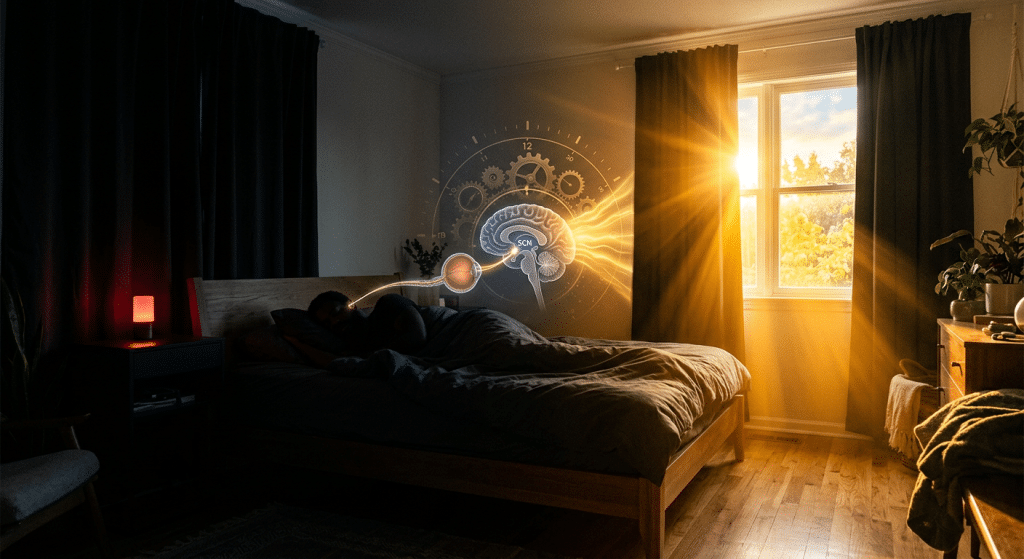
The key insight from sleep science is that our bodies follow predictable circadian rhythms. These are approximately 24-hour biological cycles that regulate our sleep-wake patterns. They are controlled by the suprachiasmatic nucleus in your brain’s hypothalamus and are synchronized by environmental cues called zeitgebers (time-givers)—with light being the most powerful cue of all.
Just how effective are these behavioral tweaks? A 2015 review in Sleep Medicine Reviews examined the evidence behind individual sleep-hygiene recommendations—caffeine, alcohol, exercise, noise, and sleep timing among them—and found support for each component’s link to sleep, while noting that sleep hygiene is best understood as prevention and general guidance rather than a standalone treatment for diagnosed insomnia.
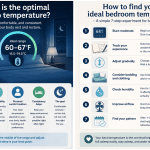
1. Optimize Your Bedroom Temperature (60-67°F / 15-19°C)
As you prepare for sleep, your body’s core temperature naturally decreases by about 1-2°F. This process, called thermoregulation, is absolutely essential for initiating and maintaining sleep. A cooler bedroom helps facilitate this natural temperature drop.
Your body achieves this sleep-conducive temperature by vasodilation—directing blood to the skin’s surface to release heat. If your room is too warm, this process is hindered, making it physically harder to fall asleep. In fact, ambient temperatures above 75°F or below 54°F significantly disrupt your sleep architecture, reducing both restorative REM sleep and deep slow-wave sleep.
How to put this into practice:
- Set your thermostat to 65-68°F before getting into bed.
- Use breathable bedding materials like cotton, linen, or bamboo.
- Consider investing in a cooling mattress pad if you naturally sleep hot.
- Keep a fan running to maintain good air circulation.

2. Control Your Light Exposure
Light exposure is the primary synchronizer of your circadian rhythms. Your eyes contain specialized photoreceptive ganglion cells that detect light and signal your suprachiasmatic nucleus to suppress melatonin production, effectively tricking your brain into thinking it’s daytime.
Even small amounts of ambient light during the night can disrupt this rhythm. A 2011 study in the Journal of Clinical Endocrinology & Metabolism found that evening exposure to normal room light shortened the duration of melatonin production by about 90 minutes, and found that light during usual sleep hours suppressed melatonin by more than 50% compared to dim light conditions. Blue wavelengths (460-480 nm) are particularly problematic because they most strongly activate the photoreceptors regulating these rhythms—which perfectly explains why electronic screens are so disruptive before bed.
How to put this into practice:
- Install blackout curtains or wear a high-quality eye mask.
- Cover up or completely remove any LED lights from electronics in your room.
- Use dim red lights for nighttime illumination, as red wavelengths have minimal circadian impact.
- Expose yourself to bright sunlight first thing in the morning to strengthen those circadian rhythms.
3. Minimize Noise Disruption
Noise doesn’t just wake you up; it can fragment your sleep even when you remain completely unconscious. Sudden noises trigger cortical arousals and shift your brain into lighter sleep stages, degrading your overall sleep quality.
Experimental research in the European Heart Journal has shown that nighttime noise raises circulating stress hormones (adrenaline) and impairs vascular function even when it doesn’t fully wake you, and both observational and translational studies link nocturnal noise to increased blood pressure and cardiovascular risk. The World Health Organization recommends keeping nighttime noise below 40 decibels. Interestingly, complete silence isn’t always the ideal solution. Consistent background noise can actually mask disruptive sounds through “auditory masking”—a phenomenon where one sound makes another less audible.
How to put this into practice:
- Use earplugs rated for 30+ decibels of noise reduction.
- Run a white noise machine or a fan to provide steady auditory masking.
- Address the actual noise sources where possible by sealing windows or using door draft stoppers.
4. Maintain a Consistent Sleep Schedule
Irregular sleep schedules are among the absolute strongest predictors of poor sleep quality. Your circadian system thrives on consistency. Varying your sleep schedule by even 1-2 hours on a regular basis creates a physiological condition known as “social jet lag.”
The circadian system adapts slowly, typically shifting by only 1-2 hours per day. When you drastically change your sleep schedule—like sleeping in on the weekends—you are essentially giving yourself jet lag without ever getting on a plane. Data presented at the SLEEP 2017 conference found that for every hour of weekend sleep schedule variability, there was an 11% increase in the likelihood of cardiovascular disease. Regular sleep-wake times train your body to automatically prepare for sleep at your usual bedtime by releasing melatonin, lowering your core temperature, and reducing alertness.
How to put this into practice:
- Choose a specific wake time you can realistically maintain 7 days a week.
- Count back 7-9 hours from that wake time to determine your ideal bedtime.
- If you need to change your schedule, adjust it gradually by 15-30 minutes per day.
- Resist the urge to sleep in on weekends; limit any variation to a maximum of 1 hour.
5. Establish a Wind-Down Routine
A consistent pre-sleep routine serves as both a psychological and physiological signal that sleep is approaching. Known as “stimulus control,” this concept helps your brain automatically associate specific activities with sleep preparation.
Relaxing activities before bed activate your parasympathetic nervous system—the “rest-and-digest” response that counteracts daytime stress and arousal. A warm bath is especially effective because the subsequent cooling down mimics the natural core temperature drop that initiates sleep. Stimulus control therapy—a core, evidence-based component of cognitive behavioral therapy for insomnia—works on exactly this principle, and controlled trials show it reliably shortens the time it takes to fall asleep in adults with insomnia. Your routine should ideally last 30-60 minutes and exclude any stimulating activities.
Sample wind-down activities to try:
- Take a warm bath or shower 60-90 minutes before bed.
- Do some light stretching or gentle yoga.
- Read physical printed books or magazines.
- Listen to calming music, ideally with a tempo of 60-80 beats per minute.
- Practice progressive muscle relaxation or meditation.
6. Limit Evening Screen Exposure
Electronic devices present a double threat to your sleep: they emit sleep-disrupting blue light, and they provide mentally stimulating content that keeps your brain on high alert.
A landmark 2015 study in PNAS compared participants reading on an iPad versus a printed book before bed. The e-reader group took longer to fall asleep, experienced reduced evening sleepiness, suppressed their melatonin secretion, had reduced REM sleep, and reported feeling less alert the next morning—even after getting a full eight hours of rest. Furthermore, checking email, scrolling social media, or engaging with stimulating content activates the brain’s reward centers and stress systems. Video games, in particular, can actively increase your heart rate and cortisol levels.
How to put this into practice:
- Implement a “digital sunset” by turning off all screens 1-2 hours before bed.
- If you absolutely must use screens, use night mode or blue light filters.
- Keep mobile devices and laptops out of the bedroom entirely.
- Switch to a traditional alarm clock instead of relying on your phone.
7. Manage Your Caffeine Strategically
Caffeine is the world’s most widely consumed psychoactive substance, and its impact on your sleep extends far beyond that initial energy boost.
Caffeine works by blocking adenosine receptors in the brain. Adenosine is a neurotransmitter that accumulates during your waking hours to promote sleepiness—a vital part of your body’s “sleep pressure” system. Caffeine has a half-life of 3-7 hours depending on your unique metabolism. This means a cup of coffee consumed at 4 PM could still have 50% of its caffeine active in your system at midnight. A study in the Journal of Clinical Sleep Medicine found that caffeine consumed even 6 hours before bedtime significantly disrupted sleep, reducing total sleep time by more than 1 hour. Importantly, participants often didn’t even perceive the sleep disruption; they felt they slept normally despite objective medical evidence of poor sleep quality.
How to put this into practice:
- Stop consuming caffeine by 2 PM (or even earlier if you are a slow metabolizer).
- Watch out for hidden sources like chocolate, tea, energy drinks, and certain medications.
- Consider taking a genetic test for caffeine metabolism if you suspect you are highly sensitive.
- Track your intake to ensure you stay under the FDA’s recommendation of no more than 400mg daily (roughly 4 cups of coffee).
8. Understand Alcohol’s True Effects on Sleep
Despite its popular reputation as a nightcap or sleep aid, alcohol significantly impairs both your sleep quality and your sleep architecture.
Alcohol is a central nervous system depressant, which is why it can help you fall asleep faster initially. However, as your body metabolizes that alcohol during the night, it triggers a “rebound effect.” This causes increased sympathetic nervous system activity that fragments your sleep, suppresses REM sleep, and leads to early morning awakenings. Research in Alcoholism: Clinical and Experimental Research shows that alcohol before bed reduces REM sleep—the stage crucial for memory consolidation and emotional regulation—by up to 50% in the first half of the night. This is exactly why people often feel unrested despite sleeping for adequate hours after a night of drinking.
How to put this into practice:
- Finish any alcohol consumption at least 3-4 hours before going to sleep.
- Limit yourself to 1-2 drinks maximum when consuming alcohol in the evening.
- Stay hydrated, as alcohol causes dehydration that can easily wake you up during the night.
9. Time Your Exercise Appropriately
Regular physical activity is one of the single most powerful non-pharmaceutical interventions you can use to improve sleep quality. However, the timing of that exercise significantly affects its impact.
Exercise improves sleep through several mechanisms: it increases your sleep pressure (adenosine accumulation), helps regulate your circadian rhythms via body temperature changes, reduces anxiety and depression, and may directly boost sleep-promoting neurotransmitters like serotonin. A 2017 systematic review by Dolezal and colleagues in Advances in Preventive Medicine confirmed that moderate aerobic exercise significantly improves objective sleep measures and overall sleep quality.
However, engaging in vigorous exercise within 1-2 hours of bedtime can actually be counterproductive. High-intensity workouts raise your core body temperature, increase cortisol and adrenaline, and stimulate the sympathetic nervous system—all factors that promote wakefulness.
How to put this into practice:
- Aim for 150 minutes of moderate exercise or 75 minutes of vigorous exercise weekly.
- Schedule your most intense workouts for the morning or the afternoon.
- Stick to gentle activities like yoga, walking, or stretching in the evening.
- Remember that morning exercise can be especially beneficial for strengthening your circadian rhythms.
10. Address Cognitive Arousal
Racing thoughts and anxiety are among the most common complaints for people suffering from insomnia. The relationship between stress and sleep is a two-way street: stress actively disrupts your sleep, and poor sleep makes you highly reactive to stress.
Chronic stress activates the hypothalamic-pituitary-adrenal (HPA) axis, leading to elevated cortisol levels that interfere with sleep. Furthermore, laying in bed worrying creates a negative psychological association between your bedroom and wakefulness, which violates the core principle of stimulus control. Research published in JAMA Internal Medicine demonstrated that mindfulness meditation significantly improved sleep quality in older adults dealing with sleep disturbances.
Evidence-based techniques to try:
- Cognitive behavioral therapy for insomnia (CBT-I) is considered the gold standard treatment.
- Keep a worry journal: write down your concerns and action items before getting into bed.
- Try 4-7-8 breathing: inhale for 4 counts, hold your breath for 7, and exhale for 8.
- Use progressive muscle relaxation to systematically tense and release your muscle groups.
- If you can’t fall asleep after 20 minutes, leave the bedroom entirely and do a quiet activity until you feel drowsy.
11. Optimize Your Meal Timing and Content
What you eat—and exactly when you eat it—significantly influences your sleep quality through multiple physiological pathways.
Eating large meals right before bed increases your metabolic activity and your core body temperature, both of which are antagonistic to sleep initiation. The digestive process also diverts blood flow to the gut, which can cause physical discomfort when you lie down. Acid reflux is particularly problematic for sleep, currently affecting approximately 20% of Americans.
Conversely, going to bed hungry can also disrupt your rest. Certain nutrients actively support sleep: tryptophan (an amino acid precursor to both serotonin and melatonin), magnesium (which activates the parasympathetic nervous system), and complex carbohydrates (which help facilitate tryptophan transport to the brain).
How to put this into practice:
- Aim to finish your dinner 3 hours before you go to bed.
- Avoid spicy, fatty, or highly acidic foods in the evening.
- If you are genuinely hungry before bed, opt for a light snack like a banana with almond butter, tart cherry juice, oatmeal, or Greek yogurt.
- Stay well-hydrated during the day, but limit your fluids 2 hours before bed to cut down on nighttime bathroom trips.
12. Invest in Sleep Surface Quality
Your mattress and your pillows directly influence your sleep posture, pressure point relief, and spinal alignment. A poor sleep surface leads to increased tossing and turning as your body subconsciously tries to find comfortable positions.
A study in the Journal of Chiropractic Medicine found that replacing a mattress older than 9.5 years resulted in significantly improved sleep quality and reduced back pain. Over time, mattress materials deteriorate, losing their structural support and accumulating allergens. Optimal firmness largely depends on your sleep position: side sleepers generally need softer surfaces to accommodate shoulder and hip pressure points, whereas back and stomach sleepers benefit from firmer support. Your ideal pillow height also varies by position; side sleepers need a higher loft to properly fill the space between their head and the mattress.
How to put this into practice:
- Replace mattresses every 7-10 years, and replace pillows every 1-2 years.
- Choose a firmness level based on your primary sleep position and body weight.
- Use breathable, natural materials that won’t trap body heat.
- Consider adjustable bases if you suffer from chronic pain or acid reflux.
When Sleep Hygiene Isn’t Enough: Recognizing Sleep Disorders
While diligently improving your sleep hygiene checklist can resolve many common sleep issues, some conditions absolutely require professional medical evaluation. Approximately 50-70 million Americans have chronic sleep disorders that need proper medical treatment.
Red Flags Requiring Medical Attention:
- Insomnia that lasts for more than 3 months despite practicing good sleep hygiene.
- Loud snoring accompanied by breathing pauses (a key sign of possible obstructive sleep apnea).
- Excessive daytime sleepiness that actively interferes with your daily function.
- Unusual physical movements or behaviors during sleep (possible parasomnia or restless leg syndrome).
- Falling asleep at entirely inappropriate times (possible narcolepsy).
- Waking up with morning headaches, gasping for air, or severe nighttime dry mouth.
If you experience these, a sleep medicine specialist can conduct polysomnography (a sleep study) or other diagnostic tests to identify the underlying condition. Common, highly treatable disorders include sleep apnea, restless leg syndrome, narcolepsy, and circadian rhythm disorders. These respond poorly to sleep hygiene alone, but have highly effective medical treatments available.
Adapting Your Sleep Hygiene Checklist for Special Circumstances
Standard sleep hygiene advice often requires some thoughtful modification for certain populations and life situations.
Shift Workers: Approximately 16% of wage workers have nontraditional schedules. Shift work disorder directly affects the body’s natural circadian rhythms, but strategic light exposure can make a massive difference. Use bright light during your work shift and make a habit of wearing dark sunglasses on your commute home in the morning. Try to maintain consistent sleep times even on your days off whenever possible.
Parents of Infants: New parents face unavoidable sleep disruption. The goal here is to maximize your sleep efficiency by sleeping when the baby sleeps, sharing nighttime duties with a partner, and keeping your nighttime interactions as boring as possible (use dim lights and minimal talking). You might also consider safe co-sleeping arrangements that minimize disruption.
Older Adults: Our sleep architecture naturally changes with age—older adults typically experience less deep sleep and more frequent nighttime awakenings. While this is normal, it can still be improved. Increase your daytime light exposure, completely avoid daytime napping after 3 PM, and proactively screen for sleep disorders like sleep apnea, which become increasingly common as we age.
Those Taking Medications: Many common medications can inadvertently affect your sleep. Beta-blockers can cause insomnia and nightmares, SSRIs may suppress your REM sleep, and corticosteroids can be highly stimulating. If you suspect your medication is disrupting your sleep, consult your prescribing physician immediately. Never discontinue medications without medical supervision, but your doctor may be able to offer timing adjustments or alternative prescriptions.
Building Your Personalized Sleep Hygiene Checklist
Trying to implement all 12 of these strategies simultaneously can feel overwhelming and is often counterproductive. Behavior change research suggests that starting small and building gradually leads to much better long-term adherence. Here is a roadmap:
- Week 1-2: Foundation. Start with the three highest-impact interventions: establishing a consistent sleep schedule, managing your light exposure, and eliminating screens before bed. These target the fundamental circadian and arousal systems governing your sleep.
- Week 3-4: Environment. Optimize your sleep environment by addressing temperature, noise, and your bed’s quality. These physical factors often provide quick wins with very minimal ongoing effort.
- Week 5-6: Lifestyle Factors. Address your substance use (caffeine and alcohol) and exercise timing. These require more behavioral adjustment on your part, but they significantly impact your sleep architecture.
- Week 7+: Advanced Techniques. Finally, implement stress management techniques, dial in your meal timing, and perfect your wind-down routine. These refinements will deeply enhance your already-improved sleep.
Tracking Your Progress Keep a daily sleep diary recording your bedtime, wake time, sleep onset latency (how long it takes to fall asleep), your number of awakenings, and your subjective feeling of sleep quality. This concrete data helps identify which interventions are working best for you and provides crucial motivation as you see real improvement. Above all, be patient. Sleep systems take 2-4 weeks to adjust to new patterns. Consistency always matters more than perfection.
Conclusion: The Cumulative Power of Sleep Hygiene
The 12 strategies outlined in this sleep hygiene checklist aren’t magic bullets; no single intervention is going to transform poor sleep overnight. Instead, they work synergistically, with each habit reinforcing the others to fully support your body’s natural sleep systems.
Think of sleep hygiene as preventive medicine. Just as regular exercise and a healthy diet protect you against chronic disease, consistent sleep practices protect you against sleep disorders and a cascade of resulting health consequences. The research is clear on this: good sleep hygiene reduces your risk for cardiovascular disease, metabolic disorders, mood disturbances, and cognitive decline.
Start with just one or two changes that feel the most relevant to your specific situation and build from there. The investment you make in practicing better sleep hygiene will pay incredible dividends in your daytime energy, productivity, emotional resilience, and long-term health. Sleep is not a luxury; it’s a fundamental biological necessity. By following this evidence-based checklist, you’re finally giving your body the exact conditions it needs to do what it naturally wants to do: sleep well.
Key Research References
- Centers for Disease Control and Prevention (CDC). Sleep and Sleep Disorders Data and Statistics. https://www.cdc.gov/sleep/data-and-statistics/
- Irish LA, et al. The role of sleep hygiene in promoting public health: A review of empirical evidence. Sleep Medicine Reviews. 2015;22:23-36.
- Gooley JJ, et al. Exposure to room light before bedtime suppresses melatonin onset and shortens melatonin duration in humans. Journal of Clinical Endocrinology & Metabolism. 2011;96(3):E463-E472.
- Chang AM, et al. Evening use of light-emitting eReaders negatively affects sleep, circadian timing, and next-morning alertness. PNAS. 2015;112(4):1232-1237.
- Drake C, et al. Caffeine effects on sleep taken 0, 3, or 6 hours before going to bed. Journal of Clinical Sleep Medicine. 2013;9(11):1195-1200.
- Dolezal BA, et al. Interrelationship between Sleep and Exercise: A Systematic Review. Advances in Preventive Medicine. 2017;2017:1364387.
- Edinger JD, et al. Behavioral and psychological treatments for chronic insomnia disorder in adults: an American Academy of Sleep Medicine clinical practice guideline. Journal of Clinical Sleep Medicine. 2021;17(2):255-262.
- National Sleep Foundation. Sleep Hygiene. https://www.sleepfoundation.org/sleep-hygiene
- American Academy of Sleep Medicine. Healthy Sleep Habits. https://aasm.org/healthy-sleep-habits/